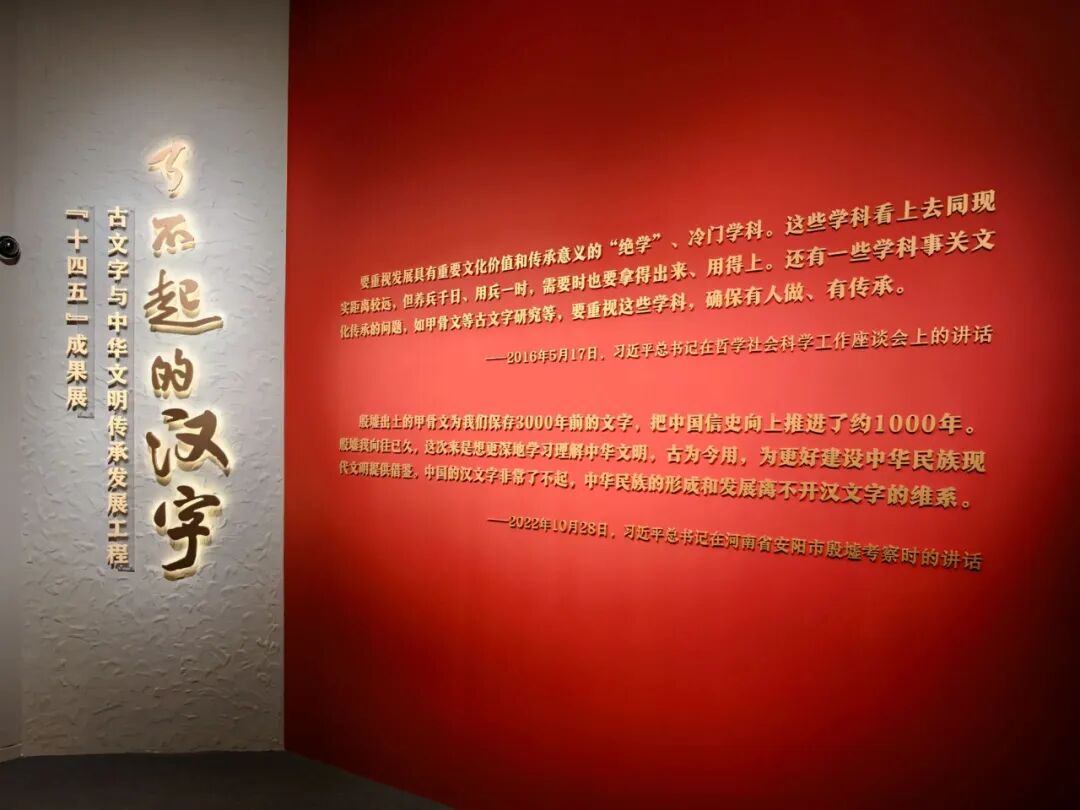
Chinese is the world's only independently developed ancient writing system to have remained in continuous use for thousands of years. In remote antiquity, Chinese ancestors gradually created symbols that conveyed meaning as they worked and lived. Over millennia, these evolved into a rich system of ancient scripts preserved in forms such as oracle bone inscriptions, bronze inscriptions, writings on bamboo and silk, seals, and clay sealings.
Ancient Chinese writing is a key to understanding China's early history and preserving its cultural traditions. The forms and structures of its characters embody the ideas and patterns of thought of ancient people, while offering insight into the rituals, social institutions, technological achievements, cultural life, and everyday conditions of their time. Ancient scripts lie at the roots of fine traditional Chinese culture and provide an important foundation for cultural confidence.
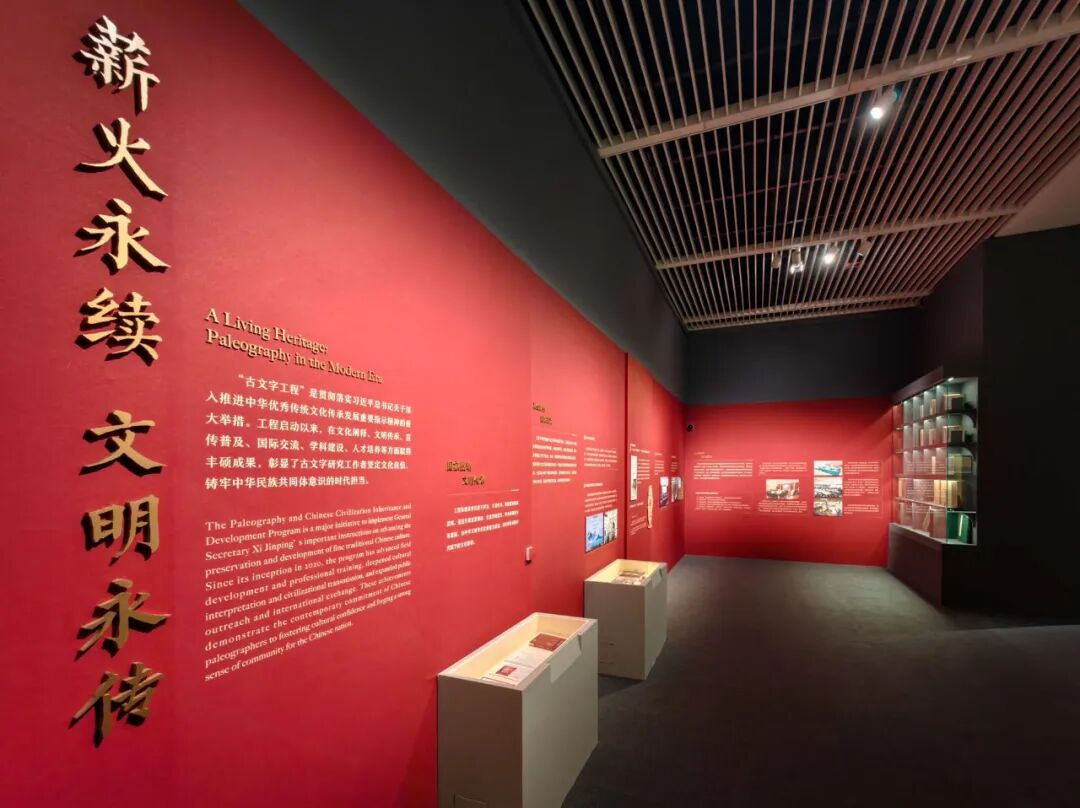
In November 2020, the Publicity Department of the CPC Central Committee, the Ministry of Education, the National Language Commission, the Ministry of Culture and Tourism, the Ministry of Science and Technology, the National Cultural Heritage Administration, the Chinese Academy of Social Sciences, and the People's Government of Henan Province jointly launched the Paleography and Chinese Civilization Inheritance and Development Program, also known as the Paleography Program.
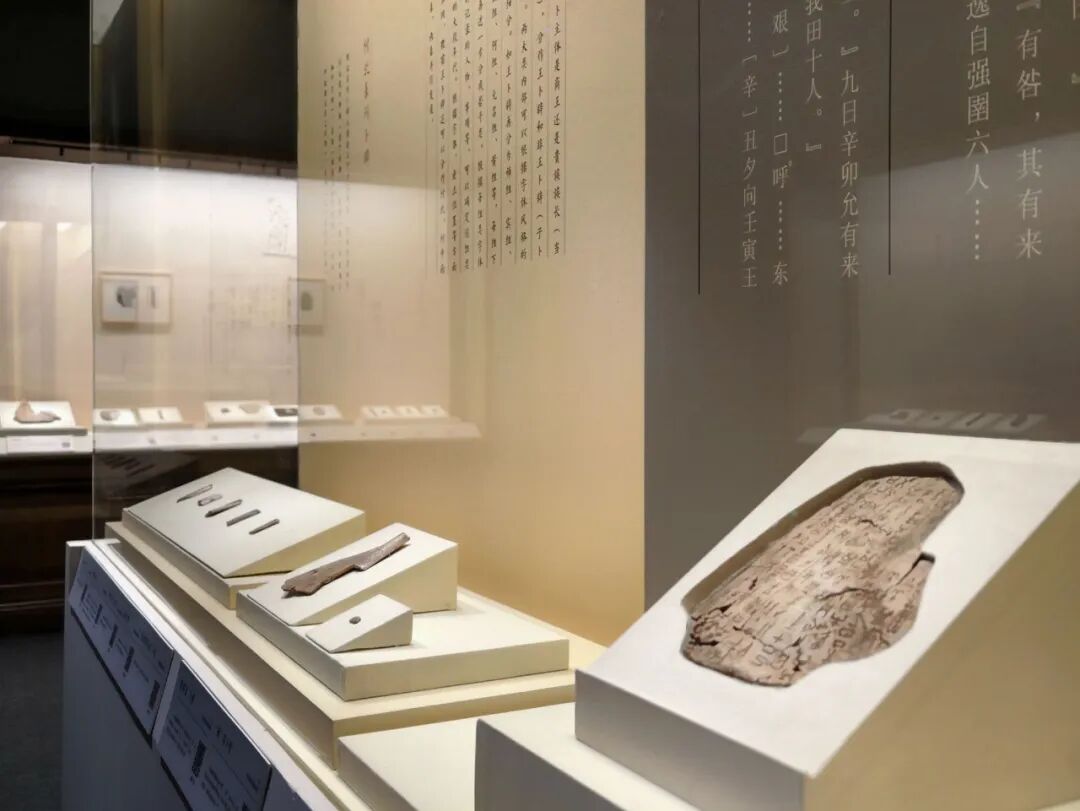
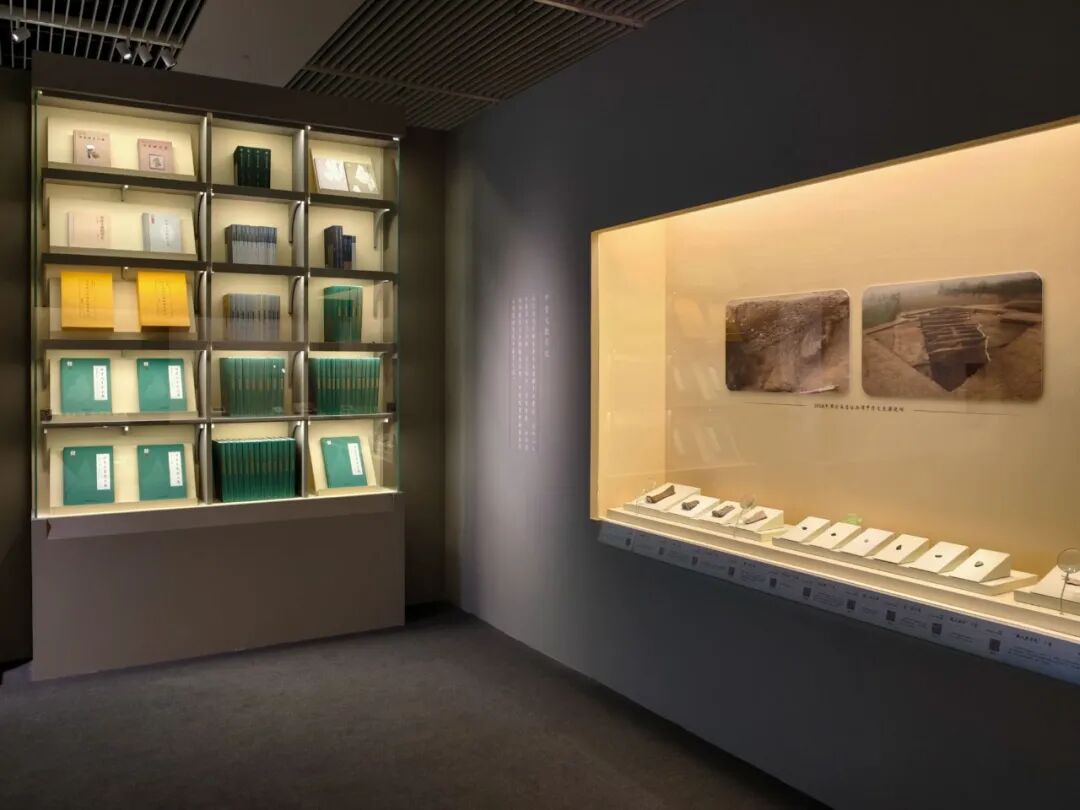
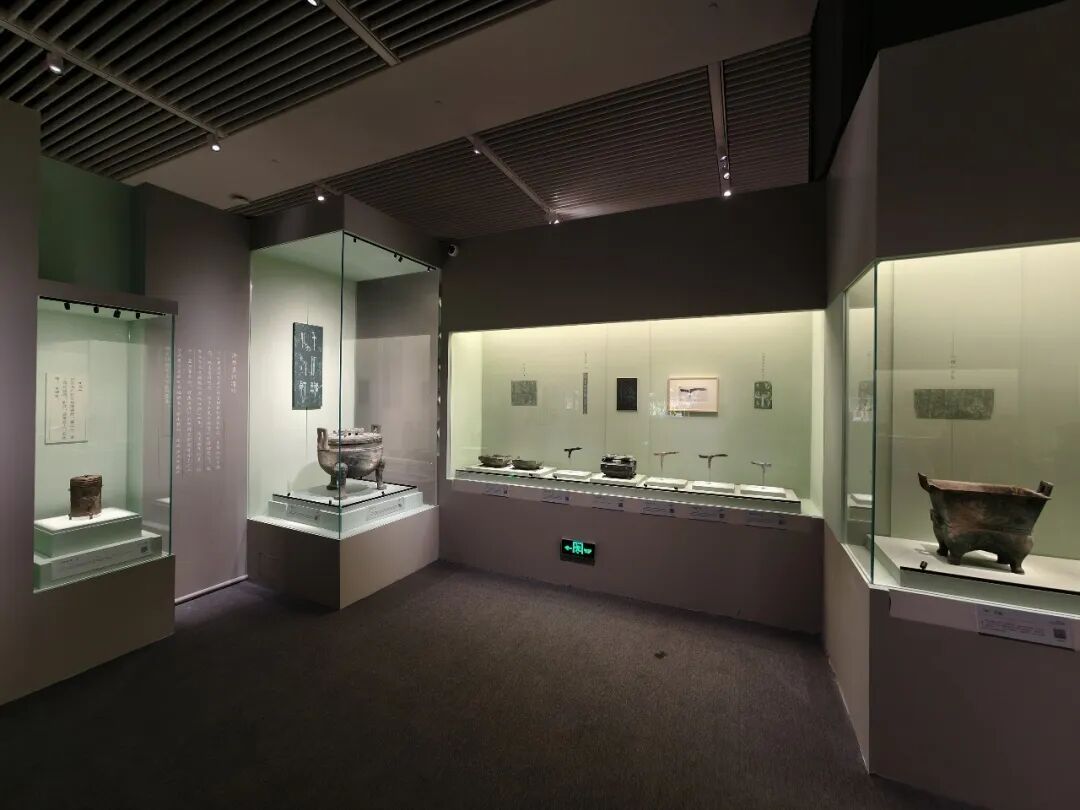
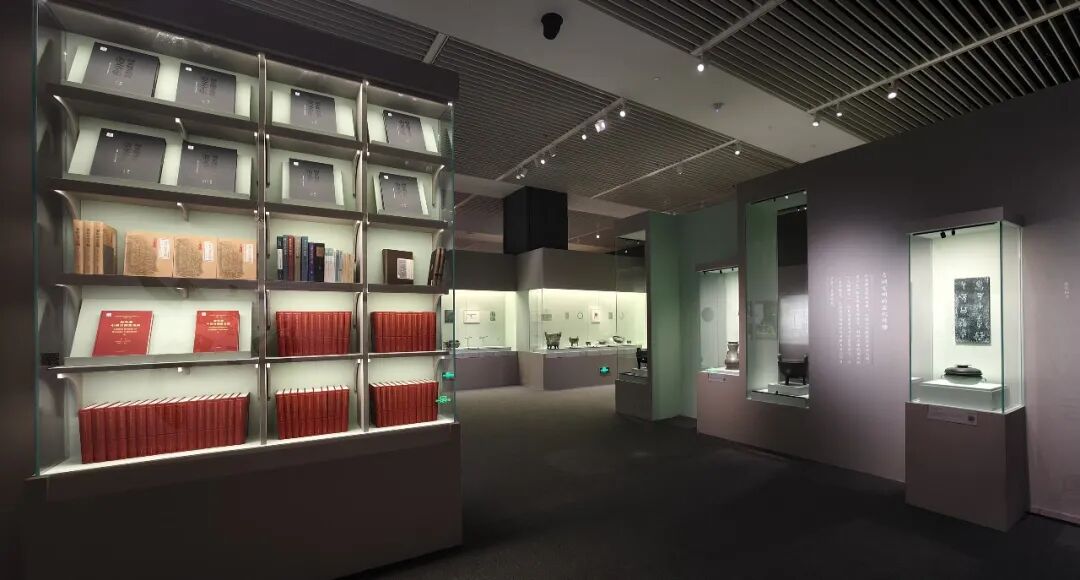
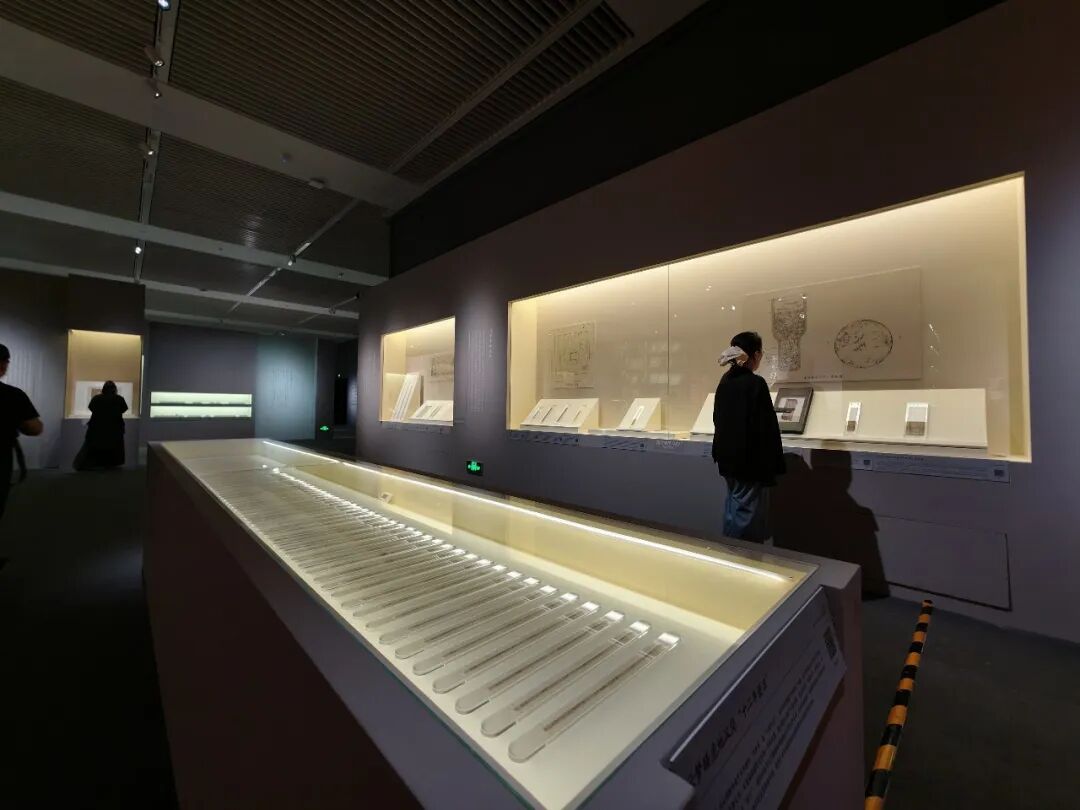
The current exhibition brings ancient inscribed objects together with the program's research findings. It presents a representative range of ancient written materials while highlighting recent discoveries, including newly excavated and collected texts, rejoined fragments, and newly catalogued materials. The transcriptions and interpretive texts also reflect the latest advances in scholarship.
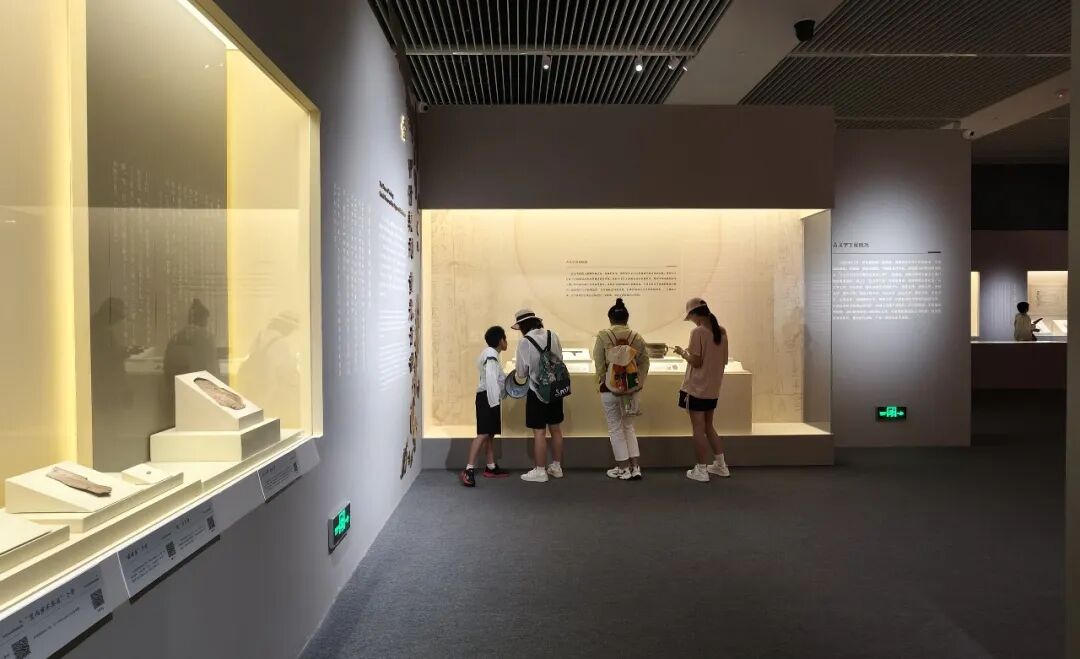
Organized into six sections, the exhibition features more than 270 items from 20 museums, research institutes, and universities, including oracle bones, inscribed bronzes, bamboo and silk manuscripts, seals, and coins. Together, these objects showcase the progress of the Paleography Program and respond to growing public interest in the study, preservation, and transmission of ancient Chinese writing.
From the earliest inscribed symbols to a fully developed writing system, and from a once highly specialized field of study to a subject of broad public interest, ancient Chinese writing has embodied the enduring foundations of Chinese civilization and recorded the historical journey of the Chinese nation. The exhibition invites visitors to discover the renewed vitality of these "amazing Chinese characters" and explore how they continue to be studied, preserved, and passed on today.
The exhibition opened to the public in Gallery N2 of the National Museum of China on July 16, 2026 and will remain on view for 3 months.
Inside the Exhibition
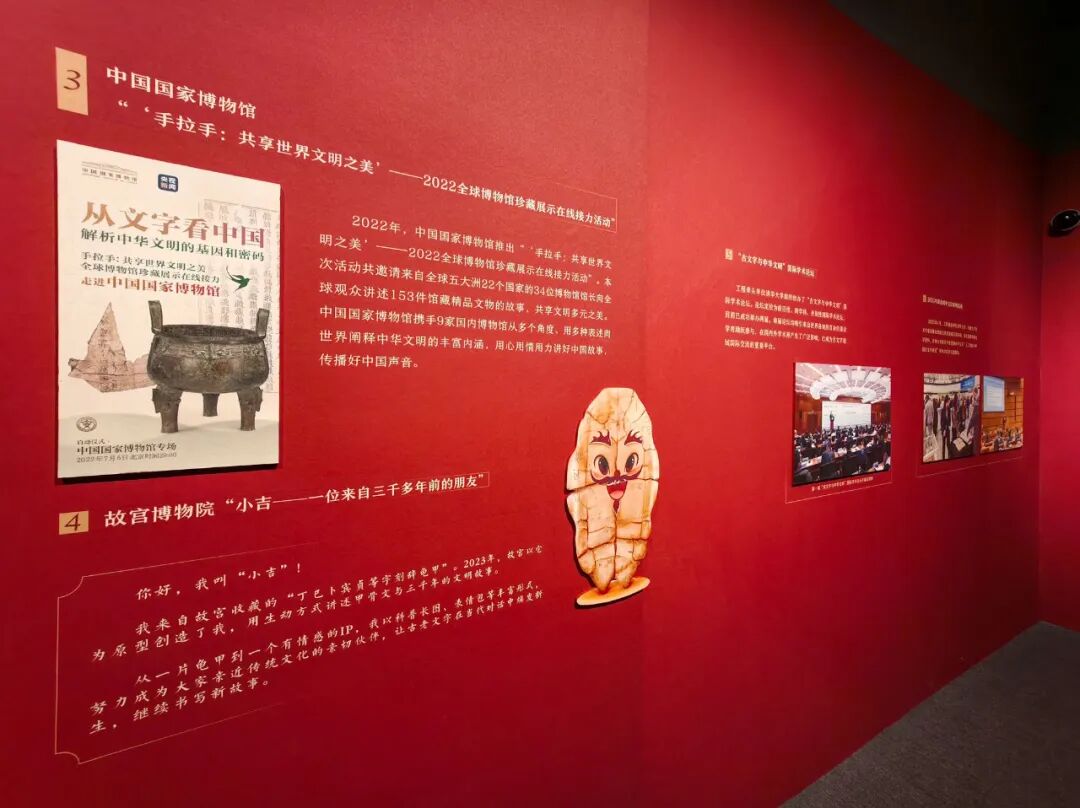
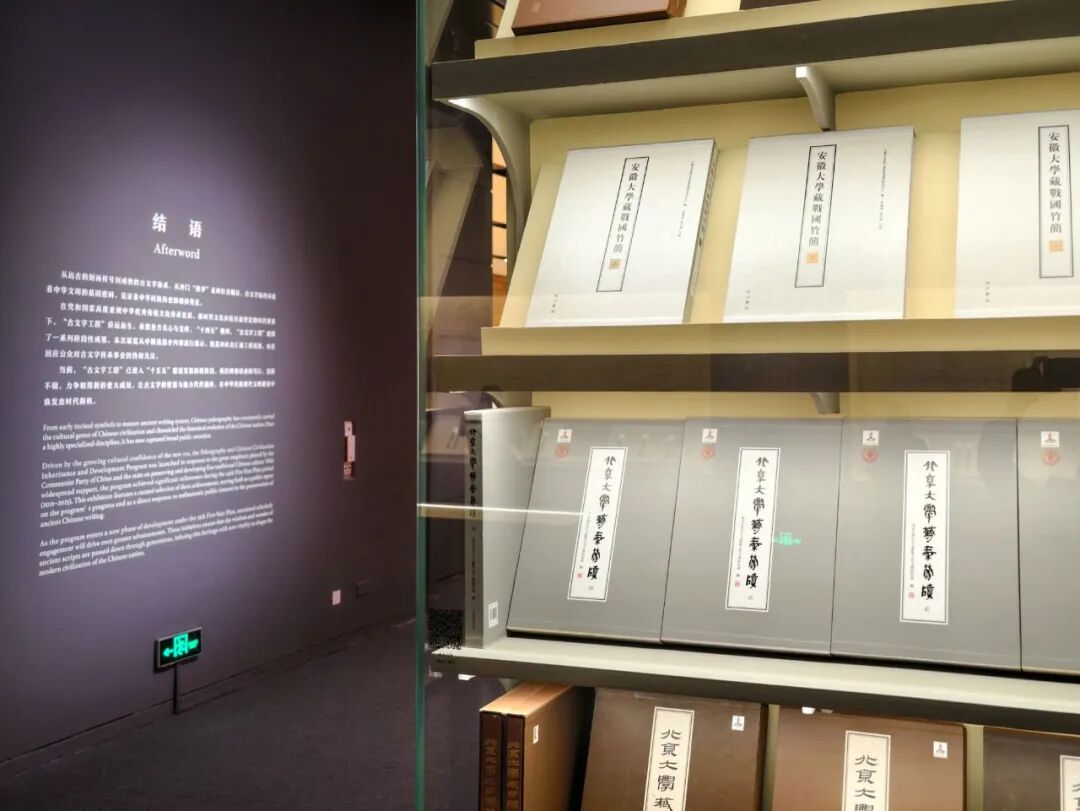
Exhibition Details
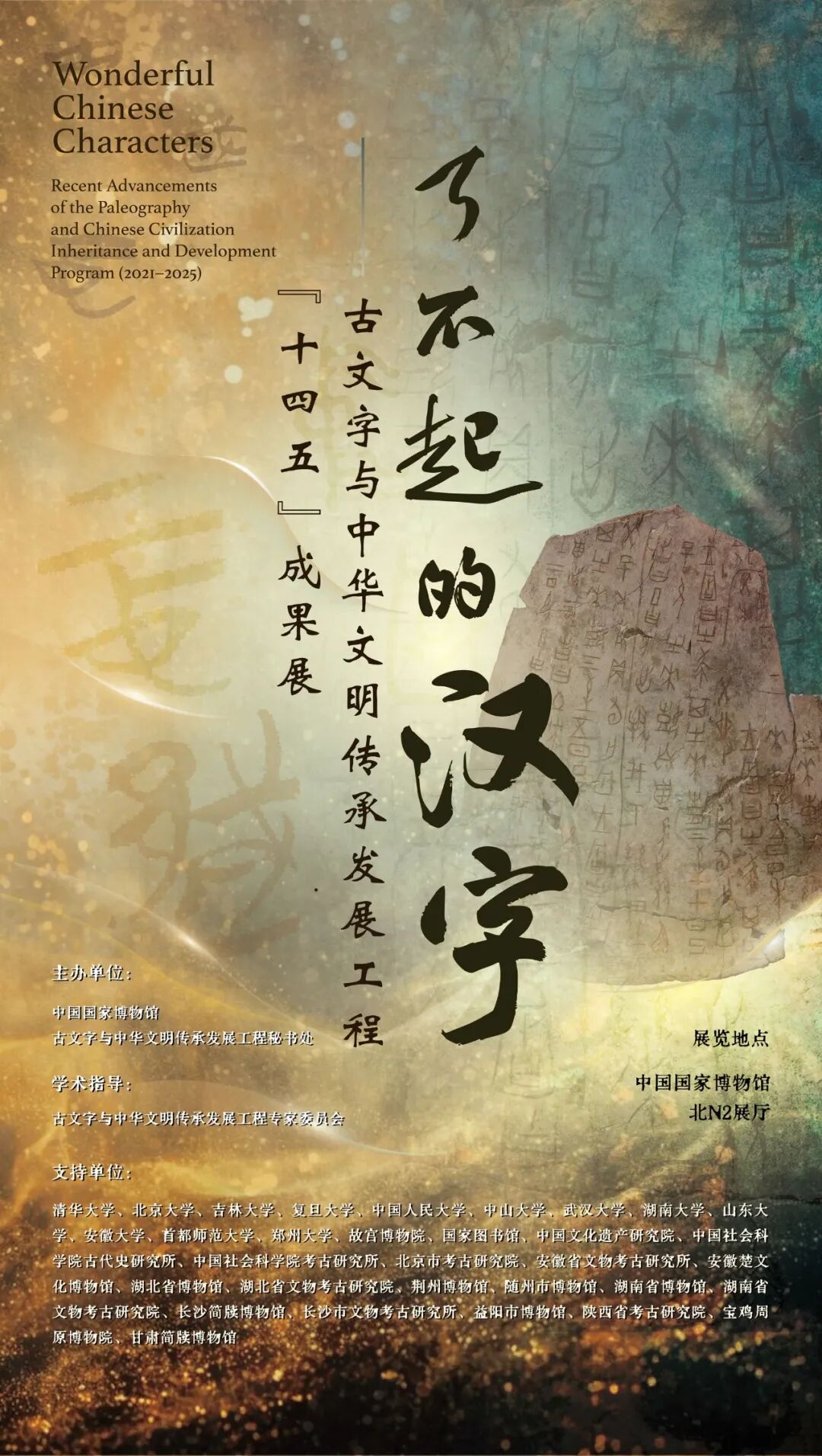
Title: Wonderful Chinese Characters: Recent Advancements of the Paleography and Chinese Civilization Inheritance and Development Program (2021-2025)
On View: From July 16, 2026, for 3 months
Venue: Gallery N2, National Museum of China